Published .
The starting point
At a glance
- Discuss the individual animal’s health and suitable timing with your vet.
- Separate veterinary decisions from registration and permit requirements.
- Know the recovery plan and the signs that need a call to the clinic.
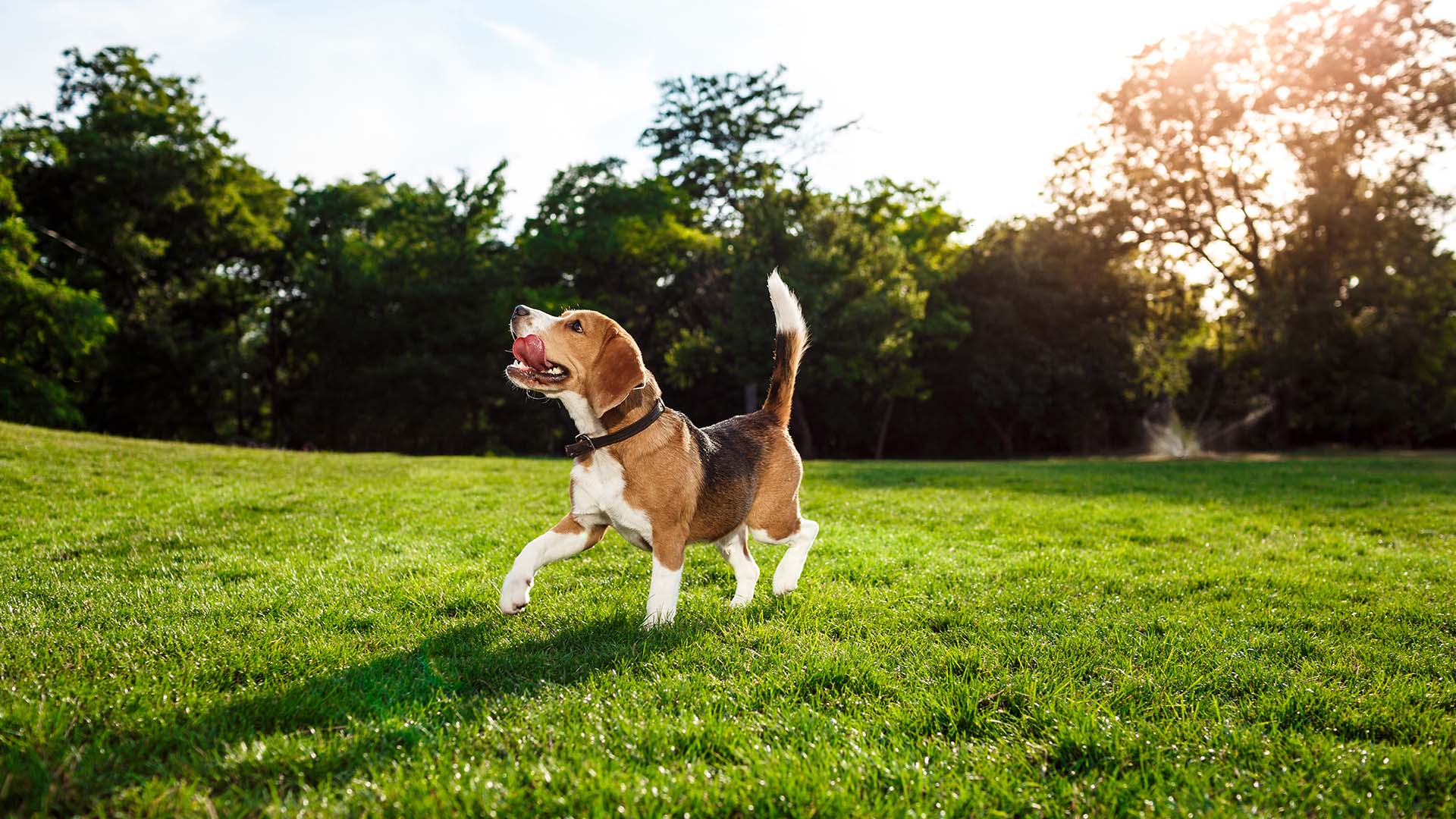
Desexing is a conversation about preventing unplanned breeding and choosing appropriate care for an individual animal. The procedure and timing can depend on species, sex, health, development and the circumstances in which the animal lives. A useful veterinary appointment should leave you with a clear plan, including what happens before surgery, during recovery and if the plan needs to change.
If your adopted pet is already desexed, ask for the record and check that its NSW Pet Registry status is correct. If its status is uncertain, arrange a veterinary assessment rather than relying on appearance or an undocumented assumption.
What procedure are you recommending, and why?
Ask the veterinarian to explain what will be done in everyday language. Conventional desexing removes the testes in males or the ovaries, sometimes with the uterus, in females. Other methods of preventing reproduction exist, but they are not all equivalent in their hormonal effects, permanence, risks or administrative treatment.
The Australian Veterinary Association's surgical sterilisation policy supports decisions made with the owner on a case-by-case basis. It recognises both benefits and potential adverse effects, and the need to consider current evidence and relevant regulations.
Ask which benefits are most relevant to your pet and which risks the vet is weighing. A broad claim that surgery prevents every health or behaviour problem is not a useful explanation. Equally, a list of possible complications does not tell you how likely they are for your animal or how they compare with the risks of remaining fertile.
Is the timing different for cats and dogs?
For cats, early planning matters because sexual maturity can occur while a kitten still looks very young. RSPCA Australia recommends desexing cats before four months of age, with veterinary assessment of health, weight and vaccination status. Discuss that plan promptly rather than waiting for a first season or evidence of mating.
Ask what to do if the kitten is unwell, underweight, already pregnant or has reached the expected age without surgery. Those circumstances require individual advice. Keeping an animal indoors does not remove the need to discuss reproductive management, particularly where another fertile animal lives in or visits the home.
Dog timing needs a similarly deliberate discussion, but recommendations cannot simply be copied from cats or from a different breed. Bring the rescue's medical history and any previous advice so the vet can explain whether the existing plan remains suitable.
How should I interpret breed-specific research?
Research can inform a decision without giving every owner a single correct date. A 2024 study of five dog breeds examined associations between neutering timing and selected joint disorders, cancers and urinary incontinence using veterinary hospital records. Its findings varied between breeds and sexes.
That is a reason to ask how the evidence applies, rather than treating a chart as a prescription. Hospital-record studies describe the animals and conditions studied; they do not prove that every difference was caused by neutering or account for every possible lifetime outcome. Mixed ancestry, uncertain ages and an individual animal's other needs can also complicate interpretation.
Ask your vet to put relative risks into context, explain the quality of the evidence and discuss practical prevention of breeding if surgery is delayed. If two recommendations differ, ask what assumptions differ. A second veterinary opinion can be useful when a decision remains unclear.
Will surgery solve a behaviour problem?
Describe the behaviour itself: what happens, how often, what occurs immediately before it and whether anybody has been injured. Avoid reducing different problems to a label such as “dominance”. A dog showing fear around visitors needs an assessment even if desexing is also being discussed.
RSPCA Australia's guidance on aggression explains that aggression has different causes, including fear, anxiety and pain, and recommends veterinary assessment and an appropriate behaviour plan. Reproductive hormones can be relevant to some behaviour, but surgery should not be promised as a universal cure.
Ask what management is needed now, what improvement is realistic and whether referral to a veterinary behaviourist is appropriate. Continue safe separation and supervision where necessary. Do not wait for surgery to address an immediate risk, and do not punish warning signals or deliberately provoke the animal to test its response.
What does the clinic need to know before admission?
Give a complete history, including previous anaesthetic problems, current illness, changes in appetite or breathing, known allergies and every medicine or supplement being used. Mention over-the-counter products as well as prescriptions. Do not stop an existing medicine or give an extra calming product without instructions.
The American Animal Hospital Association's owner guidance on anaesthesia highlights the owner's role in reporting health and behaviour before and after a procedure. Ask what assessment and monitoring are proposed for your pet and whether any additional tests are recommended.
Obtain the clinic's exact instructions about food, water, medicines and arrival time. Fasting advice can depend on the patient; a rule remembered from a previous animal may be unsuitable. If an instruction was not followed, tell the team honestly before surgery. They can decide whether the plan needs changing.
What will recovery require in my home?
Prepare before the operation. Ask where your pet should rest, how activity should be restricted and how to prevent interference from other animals or children. Discuss stairs, jumping onto furniture, toileting and any difficulty you would have lifting or safely containing the animal.
The American College of Veterinary Surgeons' postoperative guide explains that recovery continues after discharge. Follow the individual instructions about protecting the incision, activity and follow-up, even if your pet appears energetic. Do not apply creams or other products to the wound unless instructed.
Ask the team to check any protective collar or garment and demonstrate how it should be used. If it prevents eating, drinking or resting normally, contact the clinic for advice rather than quietly abandoning it. Arrange help if the required supervision conflicts with your work or other care responsibilities.
How do I give pain relief and know when to call?
Before leaving, obtain written instructions covering every prescribed medicine, the schedule, possible adverse effects and whom to contact. Ask for a demonstration if you are unsure about administration. Do not use human painkillers or another animal's leftover medication.
AAHA's return-home guidance recommends discharge information that explains expected recovery and when the veterinary team should be contacted. Ask what is normal for this patient, rather than accepting a vague instruction that sleepiness is always expected.
Call promptly about worsening weakness, uncontrolled pain, persistent vomiting, difficulty urinating or an opening, bleeding or concerning change at the surgical site. Breathing difficulty, collapse or severe bleeding need emergency veterinary attention. If you are unsure whether a change is normal, call the clinic or an emergency vet; do not wait for the scheduled recheck to ask.
How do NSW rules affect the plan?
The legal paperwork is separate from the clinical decision. NSW registration is due earlier than the ages used for non-desexed animal charges. NSW's non-desexed fee information form explains a once-only additional charge for dogs not desexed by six months and an annual permit for cats not desexed by four months, with exemptions and particular transfer circumstances.
Those thresholds do not mean every dog must have the same operation at the same age. If a medical delay is recommended, ask the vet about the evidence and timing needed for an exemption before the relevant deadline. OLG's desexing guidance explains how veterinary recommendations and desexing status are recorded.
Use the microchipping and registration guide to separate registration, transfer and desexing requirements. Confirm your individual position with the council and use current fee tables; older printed dollar amounts may no longer apply.
What if cost or transport makes surgery difficult?
Tell the clinic about the constraint early. Ask for an estimate that explains what is included, how additional care would be authorised and whether follow-up is included. A cheaper advertised figure may cover a different package, so compare the actual care proposed.
Ask your council or an established welfare organisation whether there are current assistance programs. The Cat Protection Society of NSW's desexing information describes help with arranging discounted desexing through participating vets. Check eligibility, location, availability and any transport requirements directly. A program's existence does not guarantee an immediate booking or a particular price.
Do not delay a needed veterinary conversation while waiting for an offer that may not apply. If the animal is in foster care, speak with the placing organisation about its authorisation and payment process before booking non-emergency treatment yourself.
Leave with a written plan you can use
At the end of the discussion, you should know the recommended procedure and timing, the reasons for that recommendation, the interim plan to prevent breeding, and the clinic's preparation and recovery instructions. Record any recheck date and responsibility for updating the registry.
Ask what will trigger a review: illness, a change in development, a missed appointment or new behaviour concerns. Desexing is one part of responsible care, alongside identification, suitable housing, veterinary attention and thoughtful management. A clear individual plan makes it easier to act at the right time and to ask for help when circumstances change.
Follow the evidence
Sources & further reading
Article sources checked 10 November 2026.
Follow a source for its full context, and check current government guidance for rules that may change.
- Australian Veterinary Association — Surgical sterilisation of dogs and catsava.com.au
- RSPCA Australia — Why should I have my cat desexed?kb.rspca.org.au
- Hart et al. — Neutering age, five dog breedsfrontiersin.org
- RSPCA Australia — My dog is being aggressivekb.rspca.org.au
- AAHA — What can I expect when my pet needs anaesthesia?aaha.org
- American College of Veterinary Surgeons — Postoperative careacvs.org
- AAHA — Phase3: Return homeaaha.org
- NSW OLG — Non-desexed cat and dog fees formolg.nsw.gov.au
- NSW OLG — Desex a petolg.nsw.gov.au
- Cat Protection Society of NSW — Desexingcatprotection.org.au