Published .
The starting point
At a glance
- Plan for a growing animal’s daily care, supervision and veterinary needs.
- Prepare safe spaces and discuss introductions before arrival.
- Check the kitten’s records and agree on the next care steps.
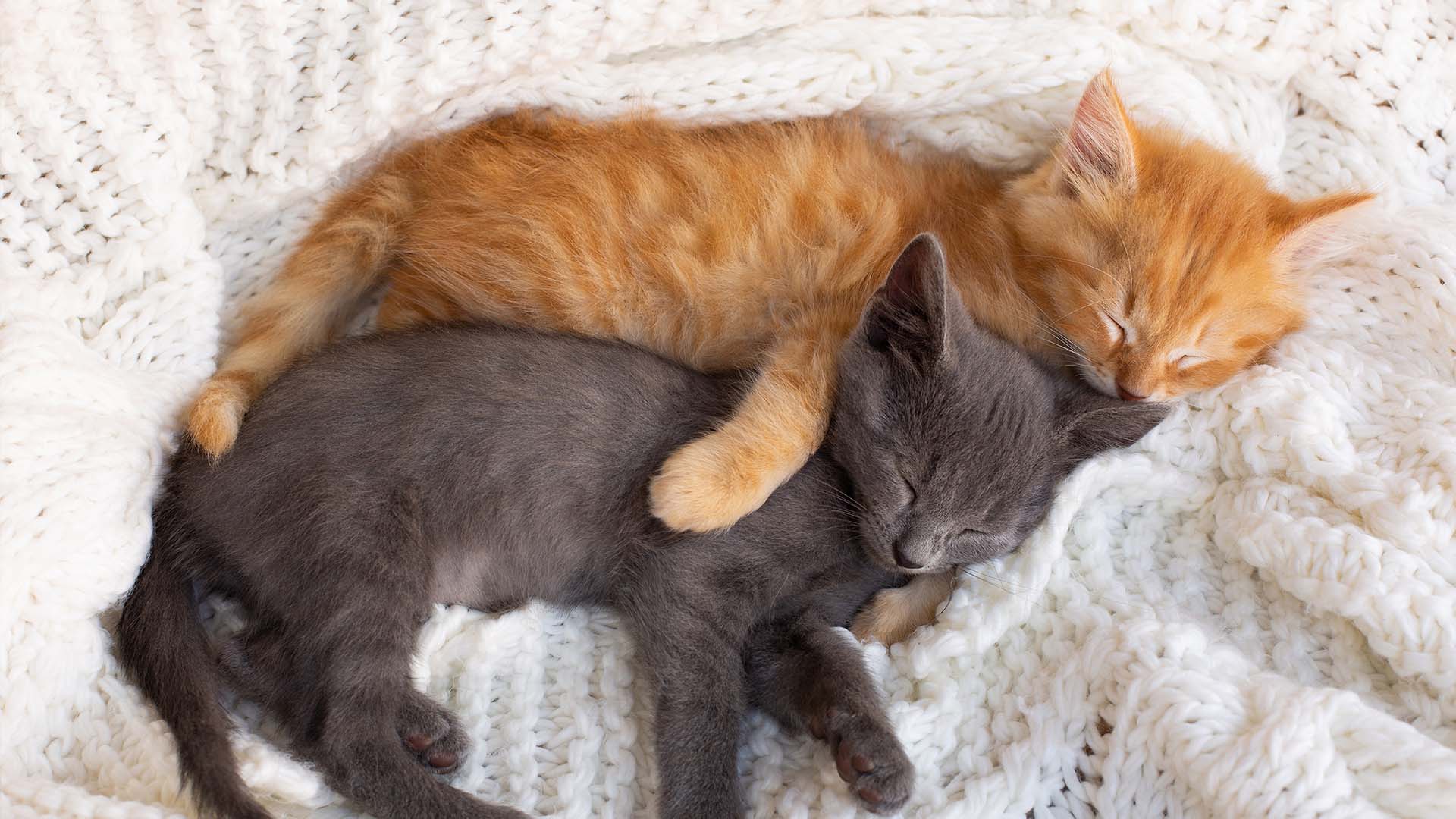
Adopting a kitten means taking responsibility for a young animal who needs supervision, suitable food, preventive health care and many opportunities to learn safely. It also means planning for the adult cat they will become. A kitten’s size should not make the commitment seem smaller.
Start by asking the rescue team whether this kitten is ready for the home you can offer. Discuss feeding independence, health, previous experiences and the care needed during the day. This guide concerns weaned kittens being placed for adoption. Very young, orphaned or unwell kittens need an individual veterinary and rescue care plan.
Decide whether you can meet a kitten’s daily needs
Write down who will provide meals, clean litter trays, supervise exploration and make time for play. Include days when work runs late and times when the household will be away. Agree who can arrange veterinary care and transport if the kitten becomes unwell.
The Feline Veterinary Medical Association’s first-year guide highlights the combination of growth, learning and preventive care. A lively kitten still needs an examination and a health plan; energy during one visit is not proof that every health issue has been excluded.
Ask the rescue which appointments and follow-up tasks you will take over. If considering two kittens, discuss the particular pair and the space, equipment and ongoing costs for both. Do not assume a second kitten removes the need for human care.
It is reasonable to decide that an adult cat better suits your current circumstances. The useful decision is the one you can sustain.
Get a clear handover
Collect the kitten’s available veterinary records and record the food, litter and care routines already in use. Ask about recent illness, any medication, handling preferences and experiences with people or other animals. Request clear instructions for unfinished care, including who will arrange it.
RSPCA Australia’s new-kitten care guide recommends a veterinary health check and an environment that allows choice. Prepare separate places for food, water, toileting, hiding, resting and play. Offer accessible options rather than placing every item together in one busy corner.
Make the room suitable for the kitten’s current abilities. A tray must be easy to enter, and resting places should not require an unsafe climb. Identify a quiet place where they can sleep undisturbed. Children need to understand that this space is off limits when the kitten is resting or hiding.
Keep the rescue’s contact details and your regular and emergency clinic details somewhere everyone providing care can find.
Check the home at kitten height
Kittens can fit into gaps that an adult cat cannot. Look behind furniture and appliances, secure windows and doors, and prevent access to unprotected balconies. Keep medicines, cleaning products and hazardous foods shut away. Close washing machines and dryers, and check where the kitten is before using them.
Cats Protection’s kitten-arrival guide also recommends removing loose cables and toys with swallowable parts or threads. Inspect an item before handing it over, then inspect it again as it wears.
Bring the kitten home in a secure carrier and let them emerge in the prepared room at their own pace. Start with manageable space and expand access as they become comfortable and you can supervise. “Kitten-proofed” is not a permanent condition: a door left open, a discarded ribbon or a newly delivered bouquet can change the environment. Build a brief safety check into ordinary household routines.
Feed for growth, with an individual plan
Use a complete, balanced food formulated for kittens and appropriate to their health. Ask what the kitten is eating now, what quantity is being offered and how meals are divided through the day. Avoid changing everything at once during the move.
RSPCA Australia’s kitten-feeding advice recommends frequent meals, fresh water and veterinary monitoring of weight and body condition. Ask your vet to tailor amounts to growth; there is no single portion that suits every kitten.
Cow’s milk is unnecessary and can cause digestive upset. Dog food is not an adequate substitute for kitten food. Treats should not displace the complete diet. Raw meat and bones carry risks, including infection and injury, and are not needed for healthy teething.
Keep track of whether the kitten actually eats, particularly when another animal is nearby. A full bowl in the room does not show who ate from it. Contact the vet promptly about reduced appetite or trouble eating.
Turn vaccination records into a continuing plan
Ask for the vaccination record, including dates and the next appointment. The word “vaccinated” can describe a kitten partway through a course; check what has been completed.
RSPCA Australia’s vaccination guidance distinguishes core vaccines from additional vaccines chosen according to risk. In Australia, the commonly used F3 combination targets feline panleukopenia and two important causes of cat flu. Your vet determines the course and later boosters for the individual kitten.
Discuss introductions and infection precautions while arranging the appointment. A socialisation plan should not mean contact with unfamiliar animals whose health status is unknown. Ask the vet what contact is appropriate now and what should wait.
Similarly, check which parasite treatments have been given and when more are needed. Use the product and instructions selected for this kitten’s age, weight and circumstances rather than sharing another animal’s medication.
Make new experiences gentle and optional
Early experiences influence how kittens respond to people, handling and everyday surroundings. Much of the most sensitive learning period occurs before ordinary adoption age, so ask the rescue what the kitten has already experienced.
Cats Protection’s socialisation guidance warns that overwhelming a kitten or continuing while they are distressed can be harmful. More exposure is not automatically better. Introduce manageable experiences, allow the kitten to approach or withdraw and keep contact brief.
For example, a new person can sit quietly while the kitten explores at a distance. Handling can begin with a short touch the kitten accepts, followed by a pause. Household sounds should be introduced at a level that does not frighten them.
Stop if the kitten struggles, freezes, retreats or becomes distressed, and discuss persistent fear with the rescue and vet. Avoid forcing them to endure a situation until they stop responding. The aim is comfortable participation, with the plan adapted to their reactions.
Teach play that remains safe as the kitten grows
Provide ways to stalk, chase, pounce and catch suitable toys. Keep fingers and feet out of the game. What feels harmless with a small kitten can become painful as teeth, claws and strength develop.
Cats Protection’s play guidance recommends toys that keep play away from the body and opportunities to catch the target. Offer short sessions, vary the toys and allow rest. A wand toy is an activity to supervise; put away strings and other items the kitten could swallow or become tangled in.
Help children use toys calmly with an adult present. Do not encourage chasing the kitten or restraining them for a game. If play repeatedly becomes rough, review the type and timing of play with the rescue or a qualified professional. Sudden or concerning behaviour changes also belong in a veterinary conversation, because behaviour alone cannot exclude pain or illness.
Confirm the desexing and identification arrangements
Ask whether desexing is complete. If it remains outstanding, confirm the veterinary plan, who arranges the procedure and who pays. Do this during the handover rather than leaving it as an unspecified future task.
PDSA’s veterinary explanation of kitten neutering notes that cats can become pregnant while still very young and that there is no established health benefit in allowing a first litter. Timing should be discussed with the treating vet and rescue.
If the kitten has recently had surgery, follow their own discharge instructions for activity, wound care and review. Do not use a generic online recovery timetable in place of those instructions.
Check the microchip paperwork and the applicable ownership-transfer and registration process where you live. Keep the documents together and confirm completion. These administrative details are part of caring for the individual kitten, not something to infer from an adoption advertisement.
Act promptly when a kitten seems unwell
Observe appetite, activity, toileting and comfort each day. Contact your vet promptly about vomiting, diarrhoea, poor appetite, unusual weakness, eye or nose discharge, or a change that concerns you. Do not assume a newly adopted kitten is merely tired or stressed.
Cornell’s new-cat care guidance lists these as reasons to seek veterinary advice. Difficulty breathing requires urgent veterinary attention. Explain what you have seen and follow the clinic’s instructions for assessment.
Tell the rescue about the concern as well, especially if other kittens may have been exposed to an illness. Avoid experimenting with human medicines, another animal’s treatment or home remedies while waiting for professional advice.
Preparation should leave you with clear contacts and a workable routine, while keeping space to adapt as the kitten grows. Speak with GAW about kittens and the adoption process for current information.
Follow the evidence
Sources & further reading
Article sources checked 10 November 2026.
Follow a source for its full context, and check current government guidance for rules that may change.
- Feline Veterinary Medical Association — First year of lifecatfriendly.com
- RSPCA Australia — How should I look after my new kitten?kb.rspca.org.au
- Cats Protection — Bringing a new kitten homecats.org.uk
- RSPCA Australia — What should I feed my kitten?kb.rspca.org.au
- RSPCA Australia — What vaccinations should my cat receive?kb.rspca.org.au
- Cats Protection — Kitten socialisationcats.org.uk
- Cats Protection — Cats and playcats.org.uk
- PDSA — Why and when should I neuter my kitten?pdsa.org.uk
- Cornell Feline Health Center — Choosing and caring for your new catvet.cornell.edu