Published .
The starting point
At a glance
- Ask what is known about the individual cat and what is still uncertain.
- Consider your home, resident pets and the care you can provide.
- Confirm records and prepare a retreat before collection.
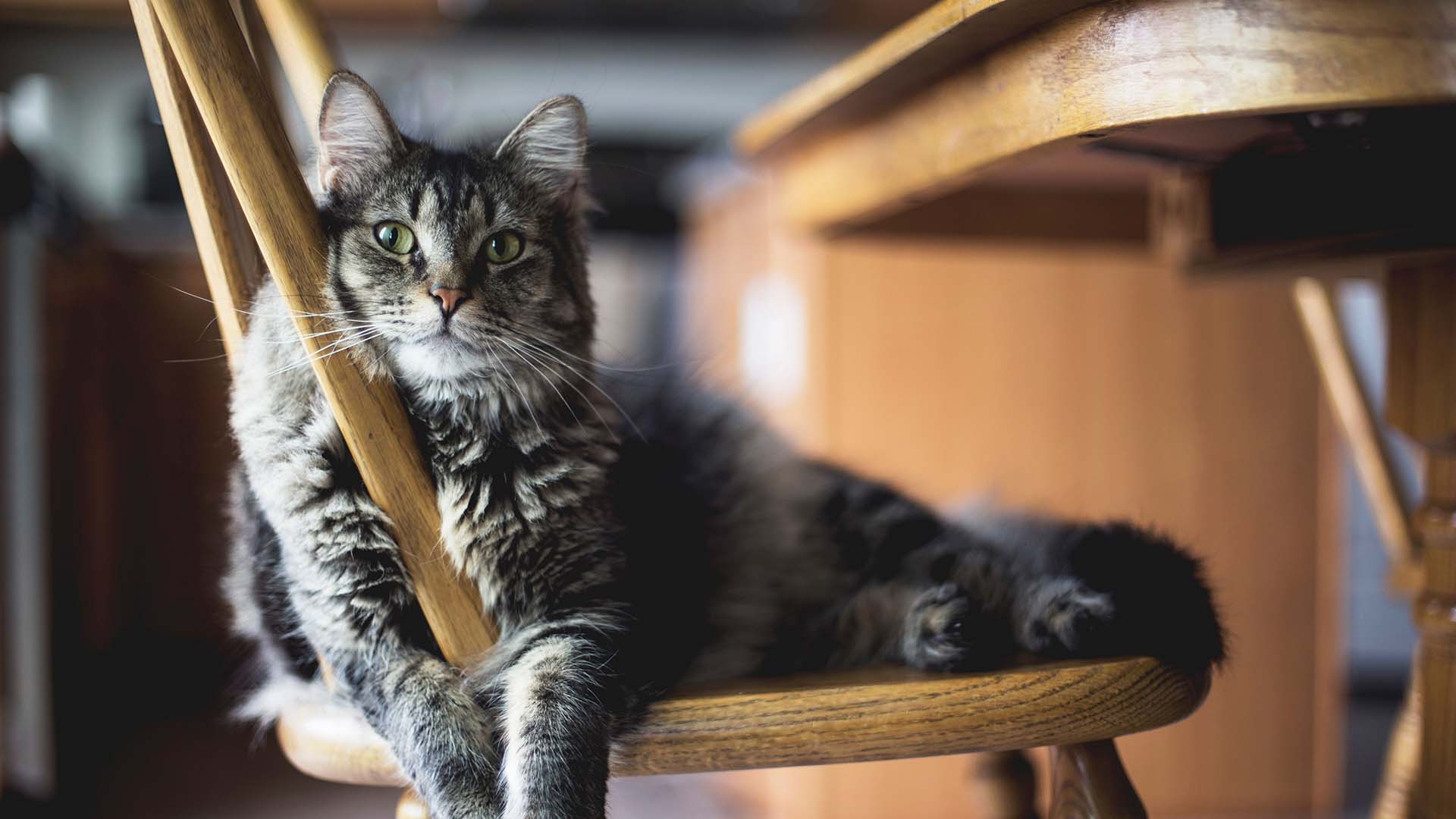
An adult cat can offer the chance to make an adoption decision with some useful information already available: their preferred routines, responses to people and experience of home life. That information is valuable, but it is never a guarantee. A cat’s behaviour can change with their surroundings, health and sense of safety.
The question is whether you can meet this particular cat’s needs through ordinary days and difficult ones. Begin with the household you actually have, then work with the rescue team to identify a suitable match.
Choose an individual, not a label
“Adult” covers cats with very different energy levels and preferences. Some want frequent play and company. Others enjoy being nearby without being held. An adult may have a more established character than a kitten, but age, sex, coat colour or breed should not substitute for information about the individual.
Cats Protection’s guide to choosing a cat recommends considering personality, grooming needs and lifestyle. Use that approach to describe what you can offer: a quiet home, daily interactive play, gentle handling, or a household where several people will provide care.
Describe preferences without turning them into promises the cat must fulfil. “I can offer company while working from home” is useful information. “I need a cat who will sit on my lap all day” is an expectation to discuss carefully. Be open to a rewarding relationship that includes watching, playing and resting together.
Explain the home honestly
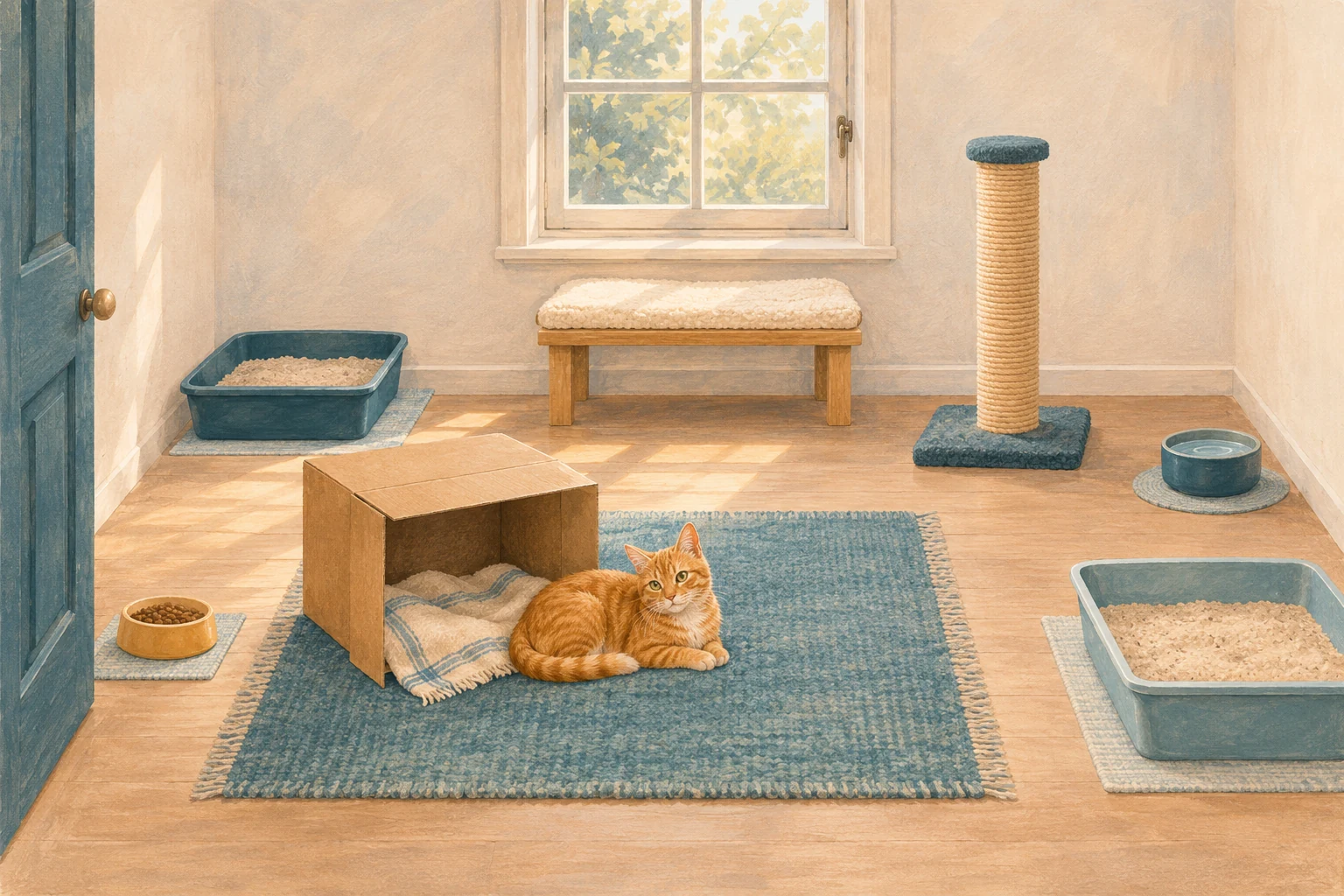
Before enquiring, map out a normal week. Include work, school, visitors, travel and the periods when nobody is home. Identify where the cat can retreat, where trays can go and how doors and windows will be secured.
The Cat Protection Society of NSW’s selection factsheet asks prospective adopters to consider space, other animals, household activity and the cat’s previous experience. These are practical matching questions, not a competition to present a perfect home.
Tell the rescue about resident animals and any limitations on separating them. Describe children’s ages and the kind of supervision available. Explain restrictions on changes to the property, and check relevant housing permissions before making a commitment.
If part of the plan depends on something that has not happened yet, say so. A future enclosure, a promised change of work hours or a pet-sitting arrangement still to be organised should not be presented as already available.
Ask what is known, and what is uncertain
RSPCA Australia’s adoption advice places importance on matching cats to suitable homes and listening to the people caring for them. Ask for observations rather than relying only on broad descriptions such as “sweet” or “independent”.
Useful questions include:
- What does the cat do during a relaxed day?
- Do they approach for touch, prefer nearby company, or need more distance?
- What has been observed around other cats, dogs or children?
- Are there handling, grooming, toileting or medical needs to plan for?
- Which recommendations are based on repeated observations, and which areas have not been assessed?
A missing history does not establish that a cat has a problem. Equally, “not known to have lived with dogs” does not mean “comfortable with dogs”. Write down the distinction. Ask what support is available if new information emerges after adoption, including how the organisation handles a placement that is not working. Do not assume a trial period or any particular return policy.
Meet without demanding a performance
Follow the carer’s instructions for the visit. Give the cat an opportunity to approach, and do not reach into a hiding place or pick them up simply to test whether they will tolerate it.
RSPCA NSW’s guidance on allowing cats to choose touch recommends brief contact followed by a pause to see whether the cat seeks more. A cat walking away has supplied useful information. Respect that response.
Ask the carer what is typical for this cat and what may be different today. A single visit gives you a snapshot; it should sit beside the care history, not replace it. If further meetings are possible and would help resolve a specific uncertainty, discuss them.
Consider whether you are comfortable with the interaction the cat currently offers. Adoption should not depend on a plan to make a reluctant cat enjoy constant handling. Trust can develop, but nobody can promise a particular level of affection.
Make children’s involvement realistic
Children can help with cat care, but adults must organise and supervise it. Think beyond the first enthusiastic weekend: who will check food, clean trays and notice illness on a busy school morning?
Cats Protection’s cats-and-children guidance recommends considering the cat’s temperament and previous experience alongside the child’s age and household activity. A confident adult cat may suit some families better than a fragile, energetic kitten; this is a matching consideration, not a rule for every family.
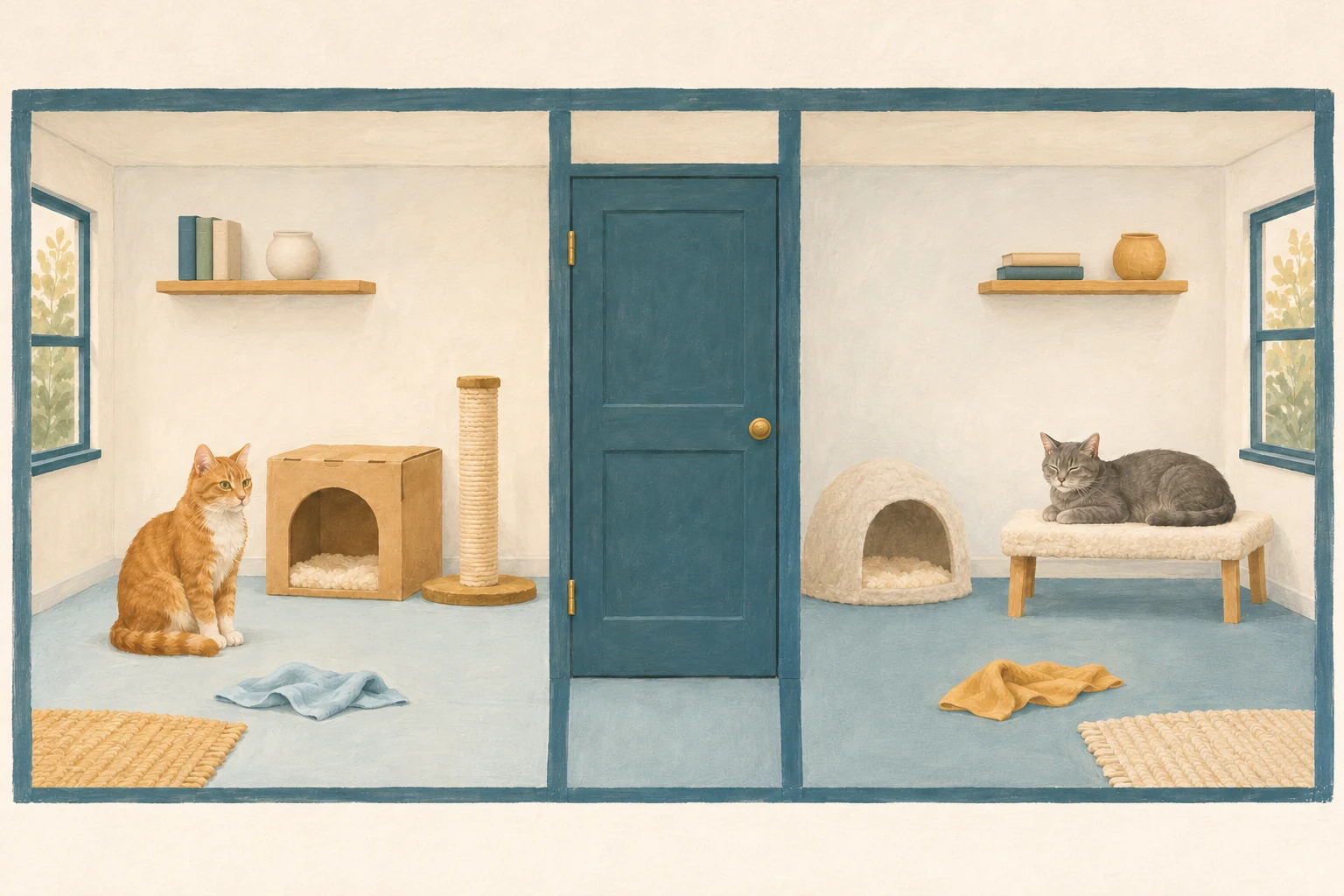
Plan places where the cat can rest without being followed. Teach children to let the cat approach and to stop when the cat moves away. Explain before adoption that a pet is not obliged to join every game or accept a cuddle. If a child is unable to follow those boundaries yet, organise the environment and adult supervision accordingly.
Budget for the life you are taking on
The adoption fee is only one item. Set-up costs include a carrier, trays, bowls, beds, scratching surfaces and ways to play. Ongoing costs include suitable food, litter, preventive veterinary care and replacement equipment. Include care during absences and a plan for unexpected illness.
PDSA’s cat-cost guide separates initial, routine and additional expenses. Its prices are British estimates, so obtain Australian prices from the providers you would use rather than converting a headline figure.
If the cat has an existing condition, request the current care plan and discuss likely appointments, supplies and practical demands with a vet. Ask what the adoption fee covers and which expenses become yours. If considering insurance, read the actual policy terms, including exclusions and limits, before relying on it.
Include time in the budget. A task that costs little may still require someone to be available consistently.
Read the health records with a vet
Obtain copies of available examination, vaccination, desexing, parasite-treatment and medication records. Ask which items are complete, which are due and whether further investigation has been recommended. A verbal assurance that a cat is “all done” is less useful than dated records.
The Feline Veterinary Medical Association’s routine-care guidance explains that preventive visits consider nutrition, disease prevention, behaviour and the home environment as well as the physical examination. Arrange ongoing care with a vet who can interpret the records for this cat.
Ask how to handle travel and appointments, particularly if the cat finds a carrier or examination difficult. Tell the clinic about known concerns in advance. Keep the rescue’s advice alongside the medical record, while recognising that the treating vet decides the individual health-care plan. An adoption examination does not remove the need for future check-ups or assessment of new symptoms.
Consider an older cat without dismissing changes as age
An older adult can be a suitable companion when the household can provide their care. Age alone does not tell you whether a cat is ill, how active they are or how much support they need.
Cornell’s older-cat care guidance emphasises easy access to food, water and toilets, and comfortable routes to favourite resting places. Think about low tray entrances, non-slip access and whether the cat would need to climb stairs for essentials.
Reduced jumping, altered grooming, weight changes or new toileting difficulties should be discussed promptly with a vet. They are not automatically an inevitable part of ageing. Ask for advice about suitable play and comfort rather than deciding that an older cat no longer needs activity or interaction.
Be clear about the care you can sustain. Taking on a known need thoughtfully is more useful than assuming affection alone will make it manageable.
Complete the handover, then allow adjustment
In NSW, confirm that ownership transfer is recorded and keep the adoption paperwork. The Office of Local Government’s rescue-adoption guidance explains the process and fee eligibility. Check the rules where the cat will live if that is outside NSW.
Keep the records, contact details and agreed care instructions together. Prepare the home before collection, and use our adult-cat arrival guide to plan the transition.
You can make a careful adoption decision without knowing every detail of a cat’s past. What matters is recognising the uncertainties, arranging support and choosing a commitment you can keep. Contact GAW about adult cats and adoption for information about the current process.
Follow the evidence
Sources & further reading
Article sources checked 10 November 2026.
Follow a source for its full context, and check current government guidance for rules that may change.
- Cats Protection — Choosing a catcats.org.uk
- Cat Protection Society of NSW — Choosing the right kitten or catcatprotection.org.au
- RSPCA Australia — Adopting a cat or kittenrspca.org.au
- RSPCA NSW — Let your cat choose if they want to be touchedrspcansw.org.au
- Cats Protection — Cats and childrencats.org.uk
- PDSA — The cost of owning a catpdsa.org.uk
- Feline Veterinary Medical Association — Routine veterinary carecatfriendly.com
- Cornell Feline Health Center — Loving care for older catsvet.cornell.edu
- NSW Office of Local Government — Adopt a cat or dogpetregistry.olg.nsw.gov.au