Published .
The starting point
At a glance
- Start with your real routine and the needs of the individual dog.
- Ask about health, behaviour, previous observations and unknowns.
- Discuss a suitable meeting and support before making a commitment.

Choosing a rescue dog means choosing a relationship you can support on ordinary days, not just imagining the best days together. A photograph can start the conversation, but a sustainable match depends on the dog’s needs, your household and what is known about their health and behaviour.
You do not need to find a dog with no uncertainties. You do need to identify the important uncertainties before committing, understand how they will be managed and decide honestly whether you have the resources to help. The questions below turn an appealing profile into a more useful conversation with a rescue organisation.
Describe the life you actually lead
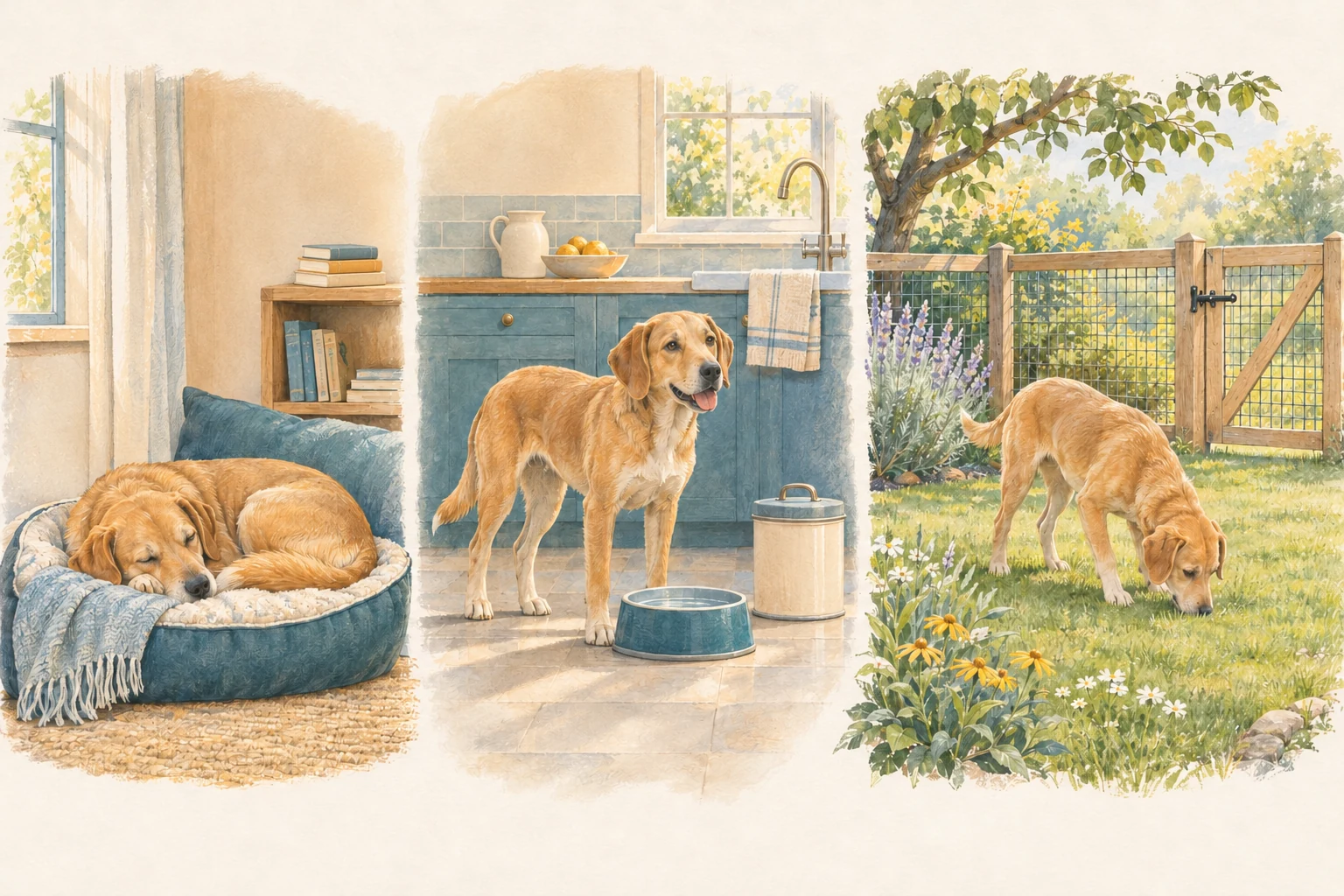
Write down a typical working day, including travel, school runs, evening activities and sleep. Who is available for toilet breaks, exercise, feeding and company? Who can cover illness or an unexpected late finish? A promise that someone will “help out” becomes useful only when that person understands and accepts the job.
Consider your physical capacity as well as enthusiasm. Could you safely manage the dog on lead, get them into transport or care for them after an injury? Think about stairs, busy shared corridors, nearby walking areas and visitors. A quiet household and a home with frequent gatherings offer very different experiences.
The American Veterinary Medical Association’s selection guidance encourages matching daily care needs to the household and planning for absences. Use these questions to describe yourself accurately, rather than to produce the answers you think an adoption team wants.
Price the care, not only the adoption fee
Ask what the particular adoption fee covers. Do not assume another organisation’s package applies. Build a realistic budget for food, preventive care, veterinary appointments, grooming, equipment, training and care during holidays. Add a plan for unexpected treatment and ongoing conditions.
Get local estimates for the services you are likely to use. If considering insurance, read the actual terms, including exclusions, waiting periods and how pre-existing conditions are treated. If relying on savings, decide how an emergency expense would be met. The aim is an achievable care plan, not a universal dollar figure.
RSPCA Australia’s preparation checklist identifies both routine and emergency costs. It also asks prospective owners to consider housing and future changes. Check the rules that apply to your property and locality before promising a dog a home; requirements differ, so an old online summary may not answer your situation.
Use breed information as context
Size, coat and physical structure can affect practical care. Behaviour is less neatly predicted by a label. A university study combining owner reports and genetic information found substantial variation within breeds and limited ability to predict an individual dog’s behaviour from breed alone. That does not mean genetics is irrelevant or that all dogs have identical tendencies. It means a label cannot replace information about the dog in front of you. Read the UMass Chan research summary.
Ask about observed activity, responses to unfamiliar people, interest in other animals and ability to settle. “Good family breed” is not evidence that a particular dog is comfortable with your children. Equally, a rescue label or an uncertain breed history does not tell you that the dog has experienced abuse. Keep the discussion focused on needs and observations.
Compare puppies, adults and older dogs
A puppy needs frequent supervision, training and carefully managed social experiences. An adult may come with more information about their size and habits, but still needs time and support in a new home. Previous house training or calm behaviour elsewhere is useful background, not a promise of an effortless transition. The Merck Veterinary Manual’s selection guide describes these different demands and the value of medical and behavioural history.
An older dog may suit your home very well, but age alone does not establish their exercise needs or temperament. Ask about mobility, sight, hearing, dental care and any changes that have been noticed. Could your home accommodate shorter outings, easier access and extra appointments if needed? Dogs Trust’s older-dog guidance explains how care may need to change with ageing. Assess the individual rather than assuming an older dog needs little attention.
Look for patterns across different situations
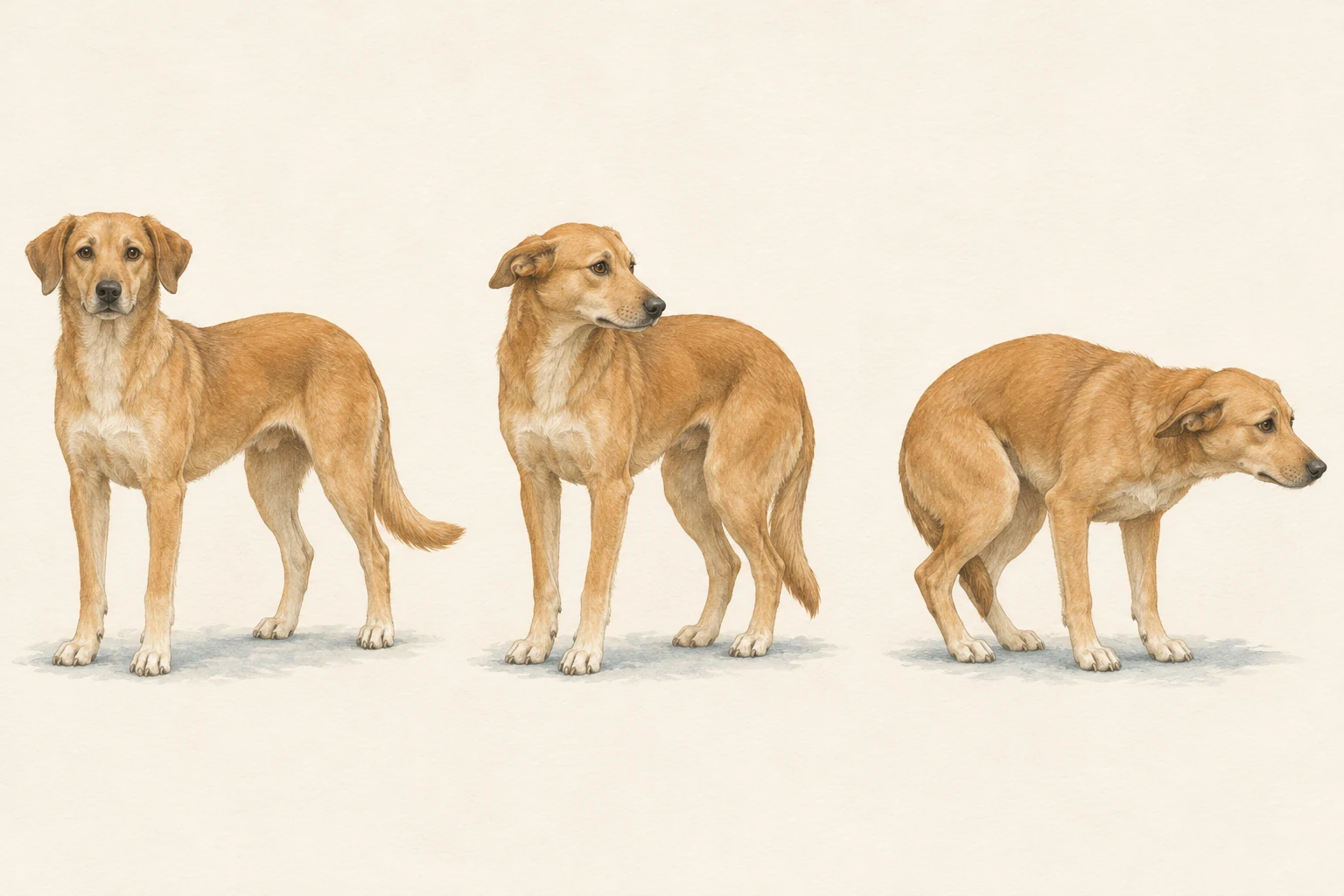
A dog in a kennel is experiencing a particular setting. Noise, unfamiliar people and restricted opportunities to move can affect what you see. A quiet meeting is another setting, not a complete test of home life.
Ask who has observed the dog, where and for how long. Information from previous carers, a foster household, walks and routine handling can add detail. If accounts differ, ask about the circumstances rather than choosing whichever account is most reassuring.
The ASPCA’s position on shelter behaviour assessments explains why a single assessment cannot reliably predict every future behaviour. This supports asking for several sources of information; it does not justify dismissing a reported bite or serious conflict. Ask what happened, whether anyone was injured, what preceded the incident and what management or professional assessment followed. Important gaps should remain clearly identified.
Make the meeting informative and fair
Let the organisation arrange a meeting that suits the dog. Follow the handler’s instructions, allow space and avoid turning the visit into a series of challenges. There is no need to grab food, restrain the dog or provoke a reaction to see what they will tolerate.
Prepare a short list of practical questions. What does a normal day look like for this dog? How do they respond to grooming or veterinary handling? Have they lived with children, cats or other dogs, and what is actually known about those interactions? What has been tried when something was difficult?
RSPCA Australia describes adoption as a matching conversation, including the dog’s background and the proposed home. Be equally open about your circumstances. If an organisation says a dog needs a quieter household or a different animal arrangement, ask for the reasoning and take the underlying needs seriously.
Discuss health before making a commitment
Request available clinical records and an explanation of known conditions, current treatment and follow-up needs. Ask which information is confirmed and which is an estimate. Find out what routine procedures have been completed and what remains your responsibility. Your own vet can help interpret the implications.
For dogs with exaggerated physical features, appearance can have substantial welfare consequences. Flat-faced dogs may have breathing difficulties, heat and exercise intolerance, eye disease or other problems requiring ongoing care. Noisy breathing should not simply be accepted as a charming trait. RSPCA Australia’s brachycephalic-dog guidance explains why prospective carers need a realistic understanding of these needs.
Adopting a dog with a medical condition can be a considered choice. The decision needs clarity about treatment, practical care, likely costs and veterinary support, rather than a vague assurance that love will resolve the problem.
Ask what happens after adoption
Request the written adoption agreement before signing. Clarify the handover arrangements, available support, whom to contact about unexpected behaviour and the process if a placement becomes unsafe or unworkable. Ask whether any trial arrangement exists and exactly what its conditions are. Do not assume there is one.
RSPCA’s companion-animal acquisition policy calls for prospective owners to receive information about long-term needs and known health problems. It also urges caution when acquiring an animal without meeting the animal and person responsible for rehoming. Seek enough information to make a considered decision; pressure to commit immediately should not replace that discussion.
Before collection, agree which records and familiar items will accompany the dog. Confirm the plan with everyone who will provide care. Keep the organisation’s actual instructions and contacts accessible.
Decide what you can manage consistently
After the conversations, make three short lists: needs you can meet now, needs you can meet with a specific support arrangement, and unresolved questions. Put names and actions against the second list. “A dog walker might help” is different from an available person who is comfortable managing this dog.
For unresolved issues, identify what would change the decision. That might be clarification from a vet, another managed meeting or confirmation that a safe separation area is practical. You are assessing a partnership, not scoring the dog as good or bad.
It is reasonable to wait or consider a different match when essential care cannot be provided. A thoughtful decision gives the dog and household a better starting point. Once a match is agreed, use our first-week guide to plan the arrival and contact GAW about adoption for the current process.
Follow the evidence
Sources & further reading
Article sources checked 10 November 2026.
Follow a source for its full context, and check current government guidance for rules that may change.
- AVMA — Choosing a dogavma.org
- RSPCA Australia — Preparing for a petkb.rspca.org.au
- UMass Chan — Breed and behaviour studyumassmed.edu
- Merck Veterinary Manual — Selecting a dogmerckvetmanual.com
- Dogs Trust — Older-dog caredogstrust.org.uk
- ASPCA — Assessment limitationsaspca.org
- RSPCA Australia — Adoption matchingrspca.org.au
- RSPCA Australia — Flat-faced dog welfarekb.rspca.org.au
- RSPCA Australia — Acquisition policykb.rspca.org.au