Published .
The starting point
At a glance
- Start the search and contact the relevant council and animal services promptly.
- Keep microchip contact details current and mark the animal missing.
- A found animal needs a safe route to identification and its recorded owner.
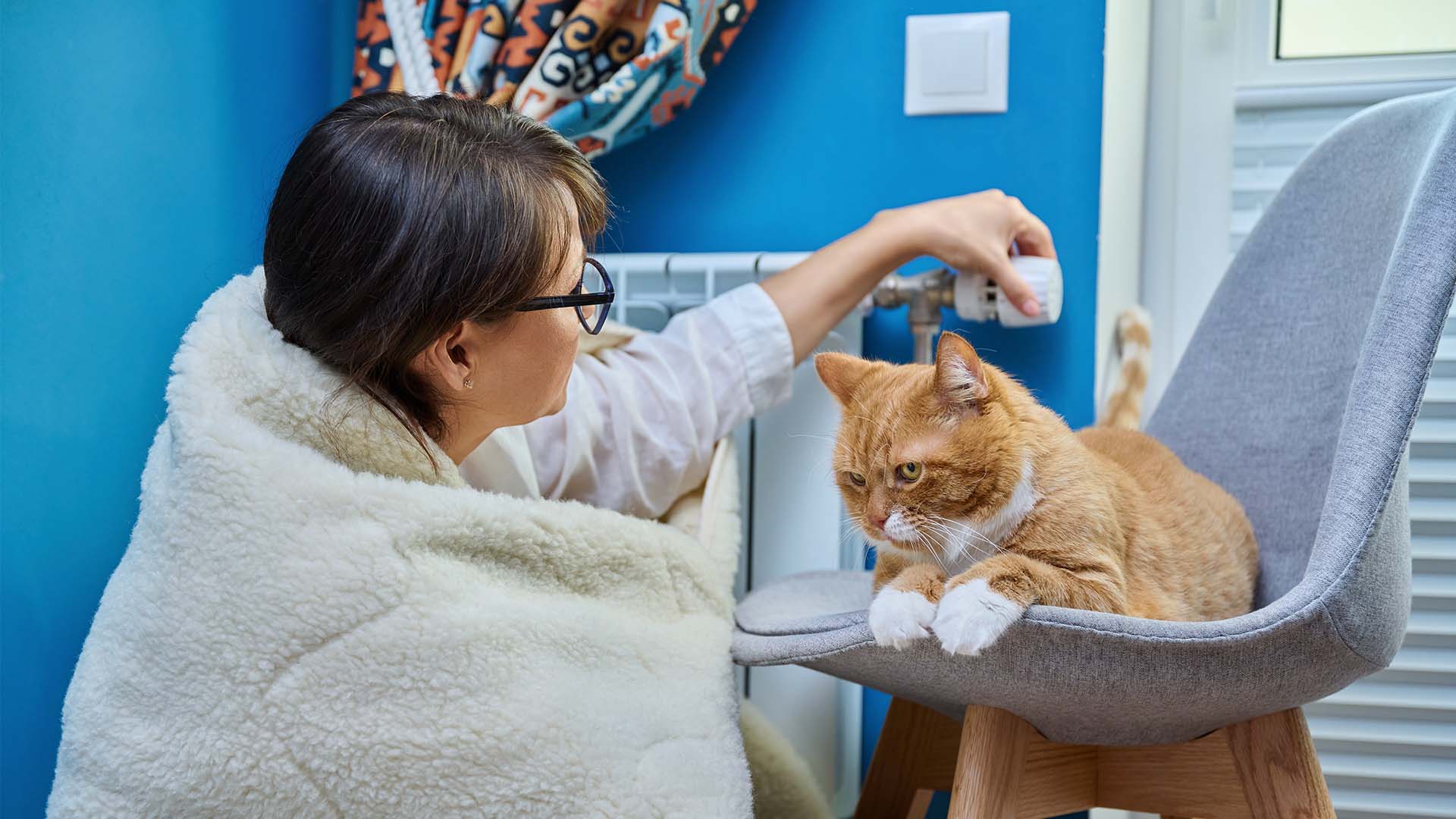
When a pet goes missing, begin two jobs together: search nearby and alert the people who may receive a found animal. A social-media post helps, but it does not replace a council report, a microchip-record update or calls to veterinary practices.
If you have found an animal, the first questions are whether it needs urgent veterinary help and whether you can safely assist. Do not put yourself, children or other animals at risk trying to catch it. This guide focuses on dogs and cats in NSW; wildlife needs a different rescue pathway.
The first search: work from what you know
Write down when and where the animal was last definitely seen. Separate that from guesses. Check the home, yard and any vehicle or room recently opened before assuming the animal has travelled far. Ask everyone in the household what doors, gates, deliveries or visits occurred.
For a missing cat, start with cupboards, garages and familiar hiding places, then ask immediate neighbours to check enclosed spaces on their properties. A frightened or accidentally trapped cat may still be nearby. Ask permission before entering and show a clear photograph so people know which animal they are looking for. Cat Protection Society of NSW: lost cats.
For a dog, include familiar walking routes and places it could have become trapped. If you have recently moved, ask someone near the previous home to keep a lookout. Nearby building workers may be able to check a worksite safely; do not enter a hazardous area yourself. These practical search ideas are also recommended by Battersea's lost-dog team.
Give helpers specific, manageable tasks: one person checks the house, another calls council, another asks the nearest neighbours. Keep one phone available for incoming sightings. If everyone drives off searching, nobody may be ready to answer the person who has found your pet.
Report the loss and check the record
Contact your local council as soon as you realise the pet is missing. Mark the animal missing through the NSW Pet Registry if you can access its linked profile, and confirm the contact details are current. Ask council for help if the pet is not linked to your account or the record cannot be found. You can locate its microchip number on veterinary or registration paperwork. NSW Pet Registry: lost pets.
Tell council where the pet disappeared, whether it needs medication, and whether handling could be difficult. Ask which facility receives animals from that area and how to check its arrivals. A neighbouring council may use a different pound, so extend enquiries if the last sighting is close to a boundary.
Report promptly rather than waiting for a legal deadline. Requirements can differ for restricted, dangerous or menacing dogs, and those cases need direct council advice. Keep a record of the report and any instructions. Legal Aid NSW's animal guidance explains that special control conditions apply to some dogs.
Call the places a finder might contact
Contact local veterinary practices, council pounds and nearby shelters. Include services outside the immediate suburb if the search continues. Ask how frequently to check again and whether they accept a photograph and description. RSPCA NSW advises ongoing enquiries; leaving details once does not mean someone will repeatedly search every intake list on your behalf. RSPCA NSW: lost and found animals.
For Ultimo and Pyrmont residents, start with the City of Sydney's missing-pet service. At the time of writing, the City's page identifies Sutherland Shire Council Animal Shelter as its receiving shelter when an owner cannot be identified or contacted. Check that page before travelling, and call ahead about opening hours and the evidence needed to reclaim an animal.
Avoid assuming that every animal welfare organisation operates a public pound. Animal Welfare League NSW says it does not accept healthy roaming pets as an impound facility. Different organisations have different roles and capacity. A call to the correct receiving service is more useful than an unplanned trip between shelters.
Make a notice that people can act on
Use a recent, clear photograph and a plain description: species, approximate size, colour, markings, collar or harness, last confirmed place and time. Include one contact number that someone will answer. Describe an important handling concern plainly, such as “frightened; please report sightings and do not approach”.
Cat Protection recommends keeping a home address and full name off public flyers. Share enough location information to make a sighting useful without publishing unnecessary personal details. Its lost-cat factsheet also explains why a recognisable photograph and identifying features matter.
Before posting a new notice, agree who will maintain it. Put the date in updates so an old sighting is not mistaken for a fresh one. Ask anyone reporting a sighting for the exact place, time, direction of movement and, if safely possible, a photograph. Save that information in one log rather than scattering it across several message threads.
Get permission for posters on private noticeboards and remove them when they are no longer needed. Ask neighbours to check garages and sheds again after normal routines change; a place that was inaccessible during the first search may later be opened.
If you see the missing animal
Pause and consider the surroundings before approaching. Traffic, railway lines, water and building sites can turn a hurried attempt into another emergency. Keep helpers back and avoid a crowd closing in.
A stranger should only approach a dog that appears calm and safe to approach. If the dog is showing aggressive behaviour, keep clear and contact the relevant council service. RSPCA UK guidance on found dogs supports this safety principle; NSW council arrangements apply here.
If your animal repeatedly runs from attempts to catch it, ask council or an experienced rescue service for a planned approach. Describe what has happened rather than asking a crowd to try harder. Do not set an improvised trap or give sedating medication.
If you have found a dog or cat
If safe, look for an identification tag and contact the owner. A veterinarian or council facility can scan for a microchip when visible identification is absent. Call ahead for directions, especially after hours or when transport or handling is difficult. Explain whether the animal is secured, injured or still moving. Animal Welfare League NSW: found animals.
An injured or seriously unwell animal needs prompt veterinary help. Contact the nearest veterinary practice for immediate advice and tell council about the situation. Do not wait for a social-media owner search to finish before seeking care. RSPCA NSW directs people with injured strays to veterinary assistance through its lost-and-found guidance.
A cat outdoors is not automatically ownerless. City of Sydney advises contacting its rangers if a cat has been around for some time and you are concerned. Ask for advice about identification and welfare before assuming that removing a healthy cat is the right next step.
Give council the exact finding location and follow its instructions about collection or the appropriate facility. Do not advertise the animal for adoption, promise it to someone, or assume that feeding it has transferred ownership. If you are interested in adopting an unclaimed animal, discuss the proper process with the responsible shelter.
Keep the reunion safe and documented
When someone claims an animal, involve the scanning veterinary practice or council if identification is uncertain. Ask how ownership should be verified. A photograph alone may leave questions, particularly for animals with similar colouring; veterinary and registry records can help the responsible service resolve them.
Likewise, if a caller says your pet is at a clinic or shelter, verify the organisation through its published contact details. Do not send money or identity documents to an unknown person simply because they have copied your pet's photograph. Keep threatening or suspicious messages and seek appropriate advice.
Once home, contact a veterinarian about injury, illness or any concerning change. Update the registry's missing status, tell every service you contacted, and close public notices. Then check the escape route before returning to normal routines.
Prepare now for the next disruption
Keep current photographs, microchip details and veterinary information somewhere available away from home. Plan secure transport and identify a person who could help if you were absent. NSW's animal emergency preparation guidance includes identification records, carriers, medication instructions and contact details in household planning.
A useful final check is to ask a trusted person to find the pet's information without your help. If they cannot locate the carrier, identify the receiving council service or find the correct record, fix that gap now. Those ordinary preparations make a future search easier to organise.
Follow the evidence
Sources & further reading
Article sources checked 10 November 2026.
Follow a source for its full context, and check current government guidance for rules that may change.
- Cat Protection Society of NSW — Lost catscatprotection.org.au
- Battersea — What to do if you have lost a dogbattersea.org.uk
- NSW OLG — Lost petspetregistry.olg.nsw.gov.au
- Legal Aid NSW — Animalslegalaid.nsw.gov.au
- RSPCA NSW — Lost or found an animalrspcansw.org.au
- City of Sydney — Find your missing petcityofsydney.nsw.gov.au
- Animal Welfare League NSW — I've found an animalawlnsw.com.au
- RSPCA UK — Found a lost dogscience.rspca.org.uk
- NSW Government — Prepare pets and livestock for an emergencynsw.gov.au