Published .
The starting point
At a glance
- Make the task manageable and reward the behaviour you want to see.
- Keep the household’s approach consistent and practice comfortable.
- Seek appropriate help for fear, distress or safety concerns.
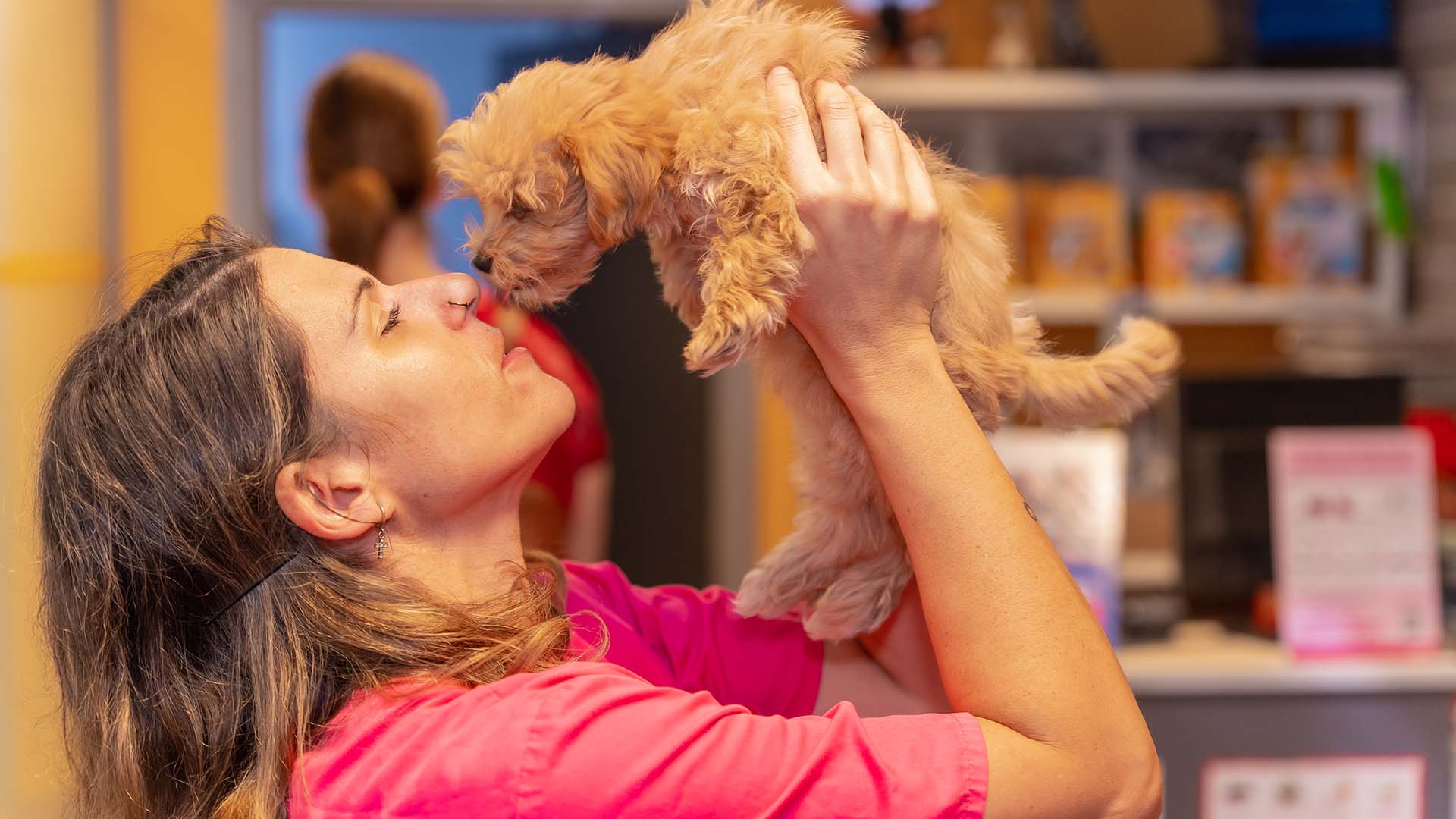
Reward-based training gives a dog useful information: this action leads to something worthwhile, so it is worth trying again. It can help with everyday life skills such as coming when called, walking comfortably with a person and resting while the household is busy.
The approach is more than carrying treats. It combines a clear goal, an environment in which the dog can succeed, well-timed rewards and realistic practice. It also involves recognising when a difficulty needs a veterinary or behaviour assessment rather than another repetition.
Decide what you want the dog to do
Describe the action in observable terms. “Be good with visitors” is vague; standing with paws on the floor while a visitor enters is clearer. “Stop being difficult on walks” becomes a more useful goal when you identify the particular situation and the response you want to teach.
Dogs repeat behaviours that have worthwhile consequences. Sometimes an unwanted action works: jumping may bring attention, or pulling may reach an interesting smell. Look at what follows the behaviour before assuming the dog is deliberately ignoring you.
RSPCA Australia’s training guidance explains this relationship. Plan a replacement action that can achieve something useful for the dog, then make it easy to practise. At the same time, manage the situation so the old pattern is not being rehearsed repeatedly.
Set up a short, achievable session
Begin somewhere familiar with few distractions and a comfortable, non-slip place to move. Have the reward ready before asking for anything. Choose one simple task and stop while both of you are still interested.
Use a short, consistent cue. Agree with other carers what that cue means and what will earn a reward. If one person rewards jumping and another objects to it, the dog receives an inconsistent lesson.
PDSA’s reward-based training guide recommends brief sessions, clear cues and prompt rewards. Several easy successes are more useful than continuing until the dog disengages. Make the next session easier if you finished confused or frustrated; a training plan should be something you can both understand, rather than a contest of persistence.
Find what this dog values
A reward is effective because the dog values it in that situation. Suitable food may work well; a favourite game or access to something interesting can also be useful. Touch or praise is not automatically rewarding for every dog at every moment.
Use small portions when training with food and include them in the dog’s overall food allowance. Follow veterinary advice for dogs with dietary restrictions. You do not need to make a dog excessively hungry to make a lesson work.
Dogs Trust explains how rewards vary by dog and context. A familiar reward may become less interesting beside a busy path or exciting dog. That may mean using a more valued reward, but first consider whether the environment is simply too difficult. Food should not be used to lure a frightened dog into unwanted contact.
Make the timing understandable
Reward the action you intended, promptly. If the dog briefly stands calmly and then jumps before the reward arrives, your timing can make the lesson unclear.
A marker is a consistent signal that identifies the successful moment. It might be a short word, a click or an appropriate visual signal. First pair the marker with a reward so it gains meaning. Then use it when the desired action occurs and follow it with the reward. The marker is a promise, not a substitute for payment.
Dogs Trust’s marker guide describes the process and alternatives for different dogs. Practise your own coordination with the equipment before making the task harder. A simple sequence performed clearly usually helps more than several cues, enthusiastic chatter and a treat delivered too late.
An example: encouraging a comfortable settle
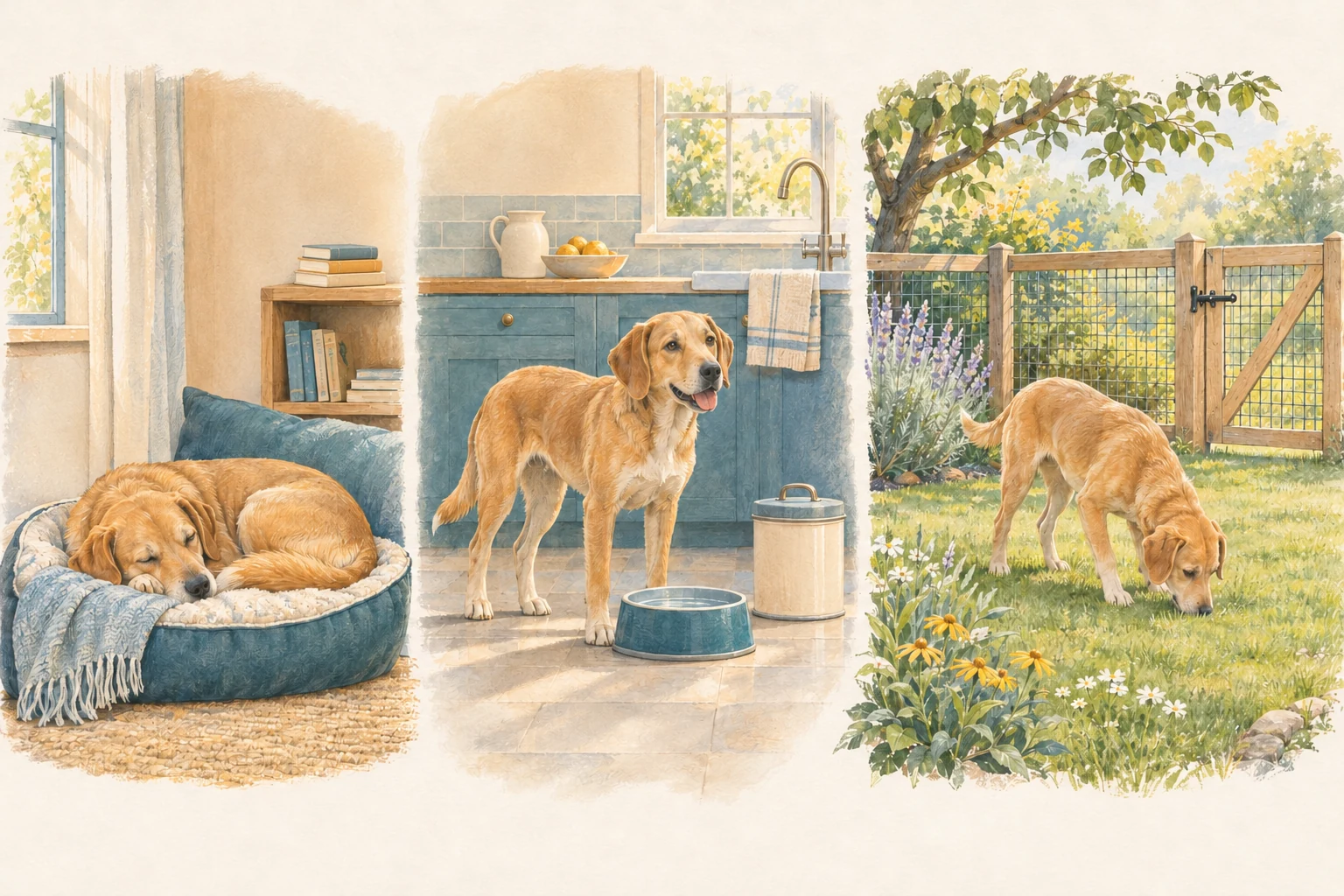
Choose a quiet time and put a comfortable mat near where you are sitting. Notice small steps towards relaxation: standing quietly near it, investigating it or choosing to lie down. Reward at a level the dog can manage, rather than waiting immediately for a long, motionless stay.
As the dog becomes comfortable, reward more relaxed behaviour and slowly extend the interval between rewards. Introduce distractions gradually. If the dog cannot relax, reduce the distraction or increase distance instead of insisting that they remain in an overwhelming setting.
Dogs Trust’s settling guide develops this progression. The purpose is comfort, not physically holding a dog on a mat. A dog who stays still because they are frightened is not demonstrating the same outcome as a dog who can rest easily.
An example: building a useful recall
Start in a quiet, secure area at a short distance. Use an inviting cue and reward the dog when they come towards you. Build distance gradually, keeping the task easy enough for repeated success.
Do not call the dog back to punish them. Include occasions when coming back leads to a reward and then a return to an enjoyable activity, rather than always ending the walk. Practise in safer, simpler places before adding distractions.
RSPCA recall guidance recommends gradual practice and a long training lead where appropriate. Ask a trainer to help you use equipment safely. Learning a recall does not remove the need for secure boundaries or compliance with local lead rules, and a successful response at home does not prove reliability beside traffic or wildlife.
Make walks part of learning
Begin loose-lead practice in a setting where you can pay attention to each other. Reward the dog for being near you with slack in the lead. Take a few steps, then reward again when the lead remains loose.
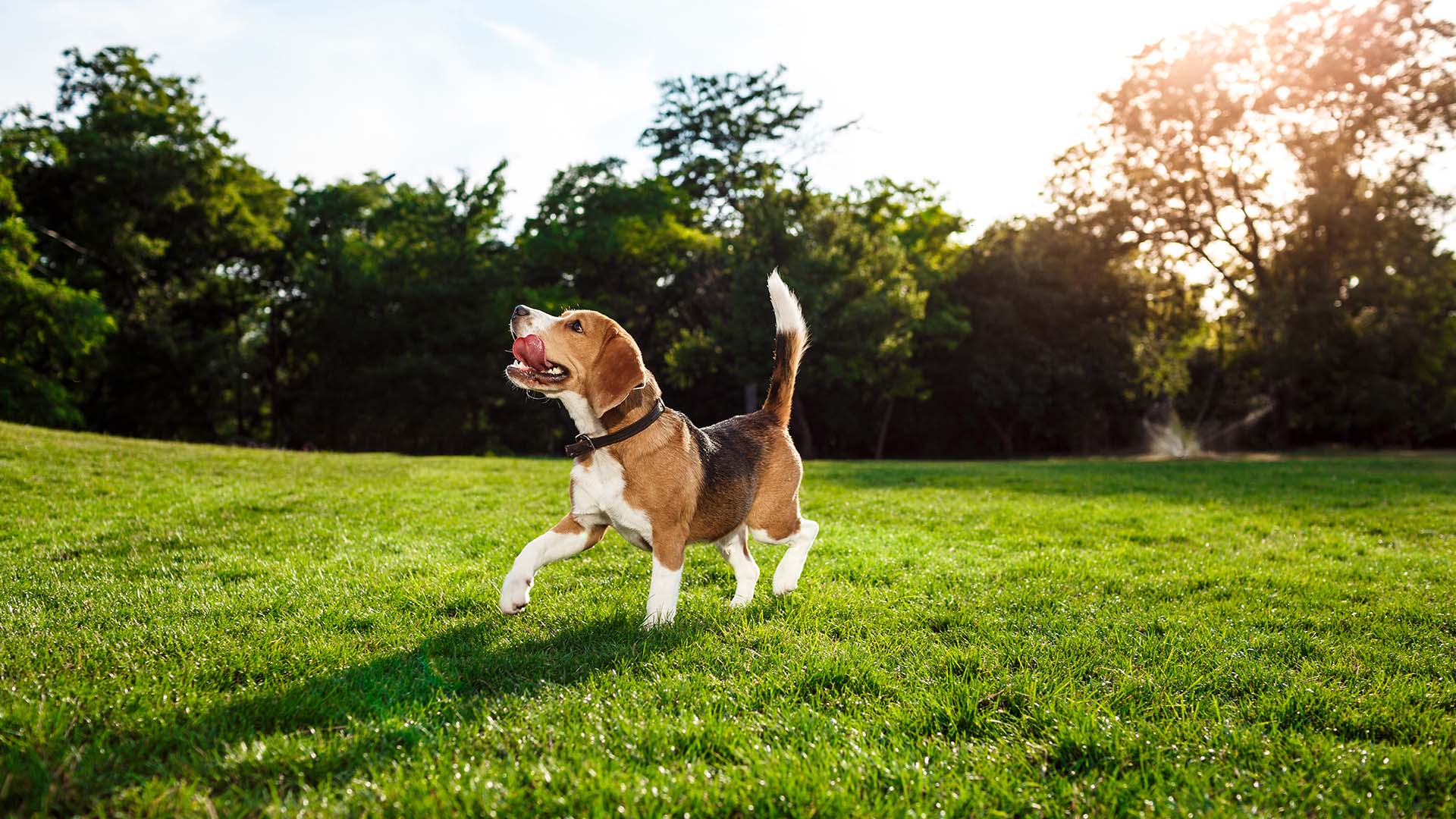
If pulling develops, pause and make the task manageable again. You may need more distance from the distraction or a simpler route. Avoid jerking the lead. An interesting sniff can sometimes become the reward for moving with you on a loose lead, so progress is not dependent on food alone.
RSPCA’s loose-lead guide describes rewarding slack and controlling access to a destination. Keep practice brief and allow ordinary exploration too. An entire outing spent repeating an exercise may be frustrating for both dog and carer.
Understand what the welfare evidence says
The American Veterinary Society of Animal Behavior recommends reward-based methods and advises against training that relies on pain, intimidation or fear. Its current position-statement page also clarifies that older, rescinded advice should not be treated as its present position.
Research supports taking these risks seriously. A 2020 study of companion dogs attending training schools found poorer welfare measures among dogs exposed to aversive methods. Dogs were recruited from existing schools, so this was not a simple random assignment experiment; it should not be used to predict exactly what will happen to any individual dog. It nevertheless contributes evidence about the costs of training methods, beyond whether an unwanted action stops in the moment.
Reward-based training also includes boundaries. Closed bins, safe barriers and appropriate equipment can prevent dangerous behaviour while a better response is taught. Ignoring a dog is not a general solution for fear, distress or risk of injury.
Choose help by methods and competence
Ask a prospective trainer how they teach, what equipment they use and what they do when a dog struggles. Request relevant qualifications and experience, and consider observing a class. Look for a person who adjusts the task, explains their reasoning and respects the dog’s welfare.
The AVSAB guide to choosing a trainer emphasises education, methods and the limits of credentials alone. Promises of instant control or an approach based on frightening, pinning or hurting a dog are reasons to look elsewhere. You should be able to ask questions and stop an exercise that concerns you.
For fear, aggression, sudden behaviour changes or difficulty being left alone, begin with your vet and request suitably qualified behaviour support. A group manners class may not be the right setting for that problem.
Measure useful progress
Keep a small record of what you practised, where, which reward you used and how easily the dog responded. Increase one challenge at a time: a little distance, a little duration or a mild distraction. If performance deteriorates, return to an easier version.
Also record comfort. Willing participation, a loose body and recovery after a distraction matter alongside the action being taught. Our body-language guide can help you notice when to pause.
The aim is a dog who understands useful skills and a carer who can support them consistently. Progress may be uneven, but the next step should remain clear, safe and achievable for both of you.
Follow the evidence
Sources & further reading
Article sources checked 10 November 2026.
Follow a source for its full context, and check current government guidance for rules that may change.
- RSPCA Australia — How learning workskb.rspca.org.au
- PDSA — Reward training basicspdsa.org.uk
- Dogs Trust — Choosing rewardsdogstrust.org.uk
- Dogs Trust — Marker trainingdogstrust.org.uk
- Dogs Trust — Settling practicedogstrust.org.uk
- RSPCA — Recallrspca.org.uk
- RSPCA — Loose-lead walkingrspca.org.uk
- AVSAB — Current training positionavsab.org
- Vieira de Castro et al. — Training welfare studyjournals.plos.org
- AVSAB — Trainer selectionavsab.org