Published .
The starting point
At a glance
- Match activities to your dog’s interests, health and comfort.
- Offer manageable opportunities to sniff, explore, learn and rest.
- Notice when an activity helps and when it adds frustration or pressure.
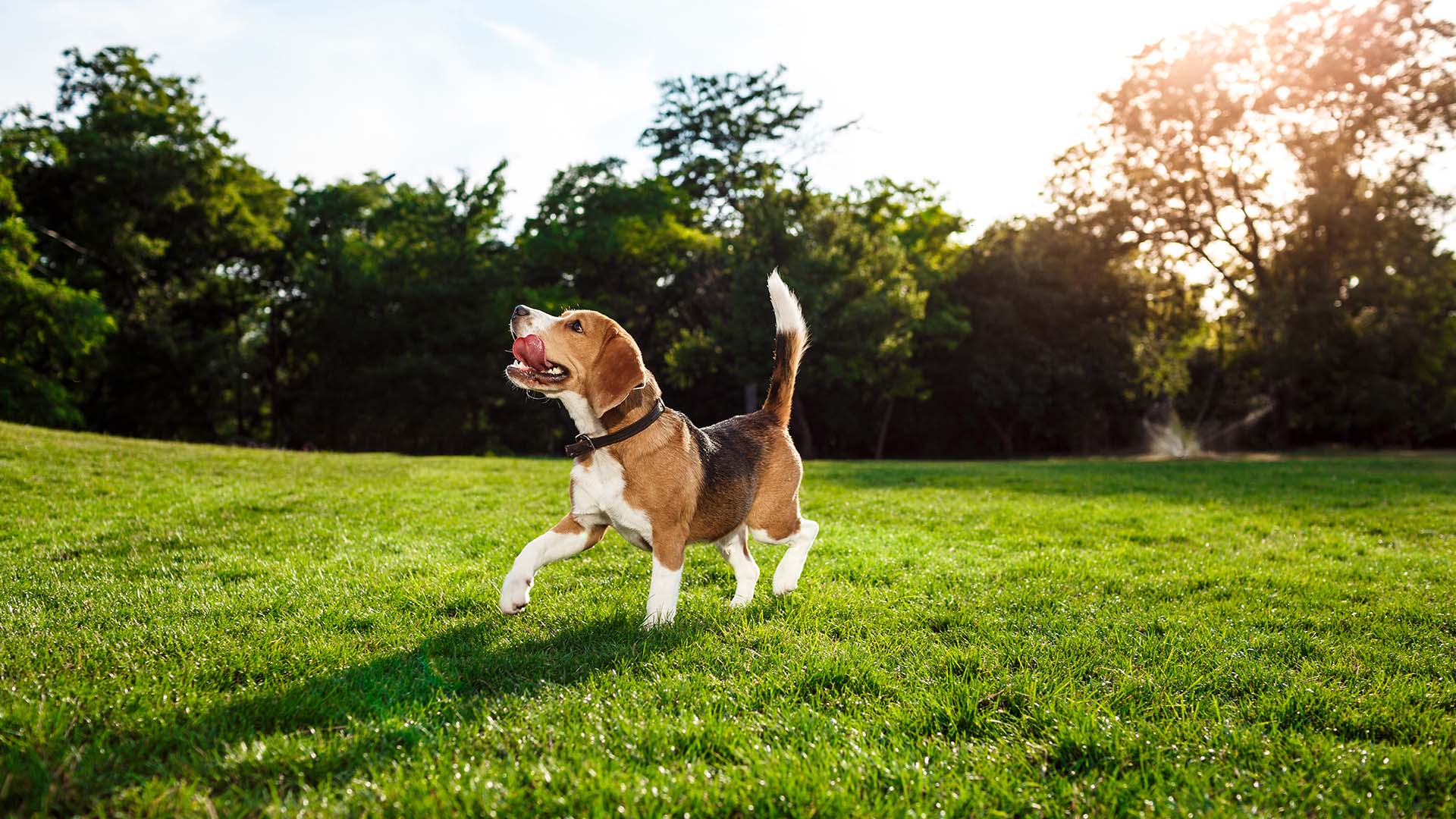
A dog can have a full toy basket and still have few opportunities to do the things they enjoy. Enrichment is about providing those opportunities: investigating smells, finding food, playing, exploring and spending comfortable time with others. It can fit into an ordinary day without expensive equipment.
The starting question is simple: what does this dog choose to do when the setting is safe and the task is manageable? Build from that answer. A satisfying activity for one dog may be confusing, physically difficult or uninteresting to another.
Offer a mixture, with room to choose
Think beyond exercise alone. A useful day can include some movement, a chance to use the nose, a small problem to solve, social contact and uninterrupted rest. These needs overlap: a gentle walk with time to sniff may provide several benefits at once.
RSPCA Australia’s enrichment overview explains the range of activities and why they should be tailored to the animal. More stimulation is not automatically better. Strong smells, loud sound, inaccessible food puzzles or unsafe toys can make an intended improvement unpleasant.
Offer an easy activity and watch what happens. The dog should be able to approach, pause and leave. Try one change at a time so you can see what they like. There is no requirement to fill every waking moment or make every meal a test.
Turn a walk into an opportunity to investigate
On a suitable route, leave time for the dog to explore ordinary smells instead of continually moving them on. Keep them securely controlled around roads, wildlife and other animals, and avoid places that overwhelm them.
A short, comfortable outing can be interesting even when it covers little distance. Occasionally choose a different quiet route if the dog enjoys novelty. For a worried dog, a familiar place with more freedom to investigate may be the better choice.
Dogs Trust’s activity guide describes sniffing as a way dogs gather information. At home, make a simple search by placing a few pieces of their usual food in obvious locations on a clean, safe surface. Let them see the first pieces being placed. Gradually spread the search area only while they remain interested. Avoid garden chemicals, unsafe plants and places where wildlife or other pets will compete for the food.
Make food puzzles easy enough to succeed
Begin with a purpose-made feeder that releases food readily. Put only a small part of the dog's normal meal in it and show how a gentle movement makes food appear. A tightly packed frozen toy is a harder starting task than loose food in a simple dispenser.
If the dog abandons it, reduce the difficulty or offer another activity. Do not withhold the rest of the meal to make the dog persevere. Account for food used in games within the daily ration, and check dietary restrictions with your vet.
VCA’s veterinary behaviour guidance explains how openings, compartments and the number of actions required affect difficulty. Supervise new equipment, separate animals when valuable food toys are present and seek help if guarding occurs. Clean and dry feeders after use; food trapped inside is not a useful reward for the next session.
Try a small problem together
A simple supervised cup game can become a shared activity. Choose a sturdy container that the dog cannot swallow and place a piece of suitable food beneath its edge while they watch. When they investigate, lift the container so the food is easy to obtain. Your role is to make the relationship between searching and finding clear.
If the dog enjoys it, add another empty container. Keep the first choices easy before considering any additional complexity. You do not need to shuffle rapidly or hide food so well that the dog gives up.
RSPCA Victoria includes cup games among its enrichment ideas. Adapt the equipment to the individual and keep it under your control. If a dog tries to chew or swallow the container, stop and use a safer activity. The game is successful when the dog enjoys participating, not when it defeats them.
Choose play that suits the body
Some dogs enjoy a gentle tug game, some like carrying a toy, and others prefer finding an object hidden nearby. Play with the dog rather than assuming that leaving toys on the floor provides the same experience.
Choose a secure space with good footing and allow breaks. Repetitive throwing can involve fast acceleration, sharp turns and abrupt stopping. These movements may be unsuitable for growing dogs, older dogs or those with joint problems. Ask your vet about exercise limits if you are unsure.
PDSA’s exercise guidance explains these concerns and recommends avoiding thrown sticks because of injury risks. Use suitably sized dog toys, inspect them regularly and remove damaged items. Rotating a few favourites can maintain interest without constantly buying something new. End before play becomes frantic or physically uncomfortable.
Treat chewing as a safety decision
A product being sold as a dog chew does not make it suitable for every mouth or chewing style. Very hard items can damage teeth, while pieces broken off a toy or chew can be swallowed. Size and durability matter, but an item that cannot be broken is not automatically gentle on teeth.
Cornell’s dental-care guidance cautions about hard objects, including bones, antlers, hooves and hard manufactured toys. Ask your vet for options suited to your dog's teeth and health.
Watch how the dog uses an item and remove it safely if it starts coming apart. Do not leave them to chew an unfamiliar object unattended. A new reluctance to chew or eat deserves attention rather than a harder or tastier replacement; oral pain can affect both activities.
Adapt activities for age, mobility and recovery
An older dog or one with reduced mobility still needs interesting choices. Change the physical demands: place a simple search within easy reach, use a stable surface and avoid activities requiring jumping, twisting or repeated crouching. A stationary food activity may suit a dog who cannot chase a rolling dispenser.
The Guide Dogs enrichment resource recommends considering physical limitations and consulting a professional when suitability is uncertain. If the dog is recovering from surgery or injury, check the proposed activity against the treatment instructions. “Mental exercise” can still involve vigorous pawing, movement or excitement.
Let the dog set a comfortable pace and keep the challenge familiar while adapting equipment. Record any difficulty reaching, balancing or manipulating it. A change in participation may reveal a problem that needs veterinary assessment, rather than simply a loss of interest with age.
Include comfortable companionship
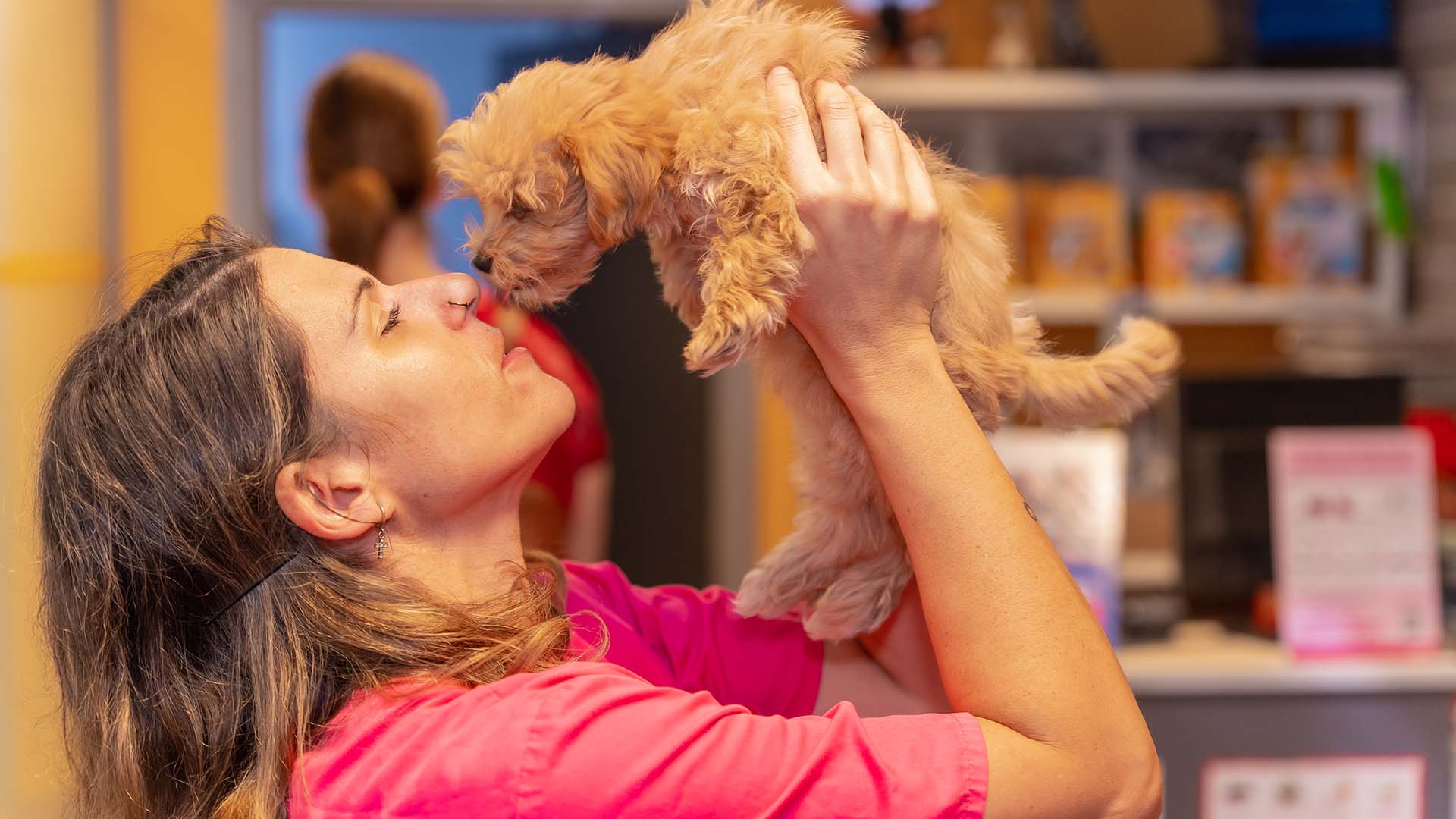
Social enrichment can mean a shared game, gentle interaction the dog seeks or quiet company with a familiar person. It does not require a crowded dog park or repeated greetings with strangers.
RSPCA NSW’s overview includes interactions with people and other animals while emphasising individual needs. Notice which company the dog enjoys and when they would prefer space. A household can plan regular shared activities without making the dog participate in every gathering.
For example, one person might offer a short search after breakfast, while another makes time for relaxed company later. Put those arrangements into the daily routine so enrichment does not depend on a new purchase or an unusually quiet weekend. Toys are useful additions to care; they cannot provide the whole relationship.
Protect rest and review the result
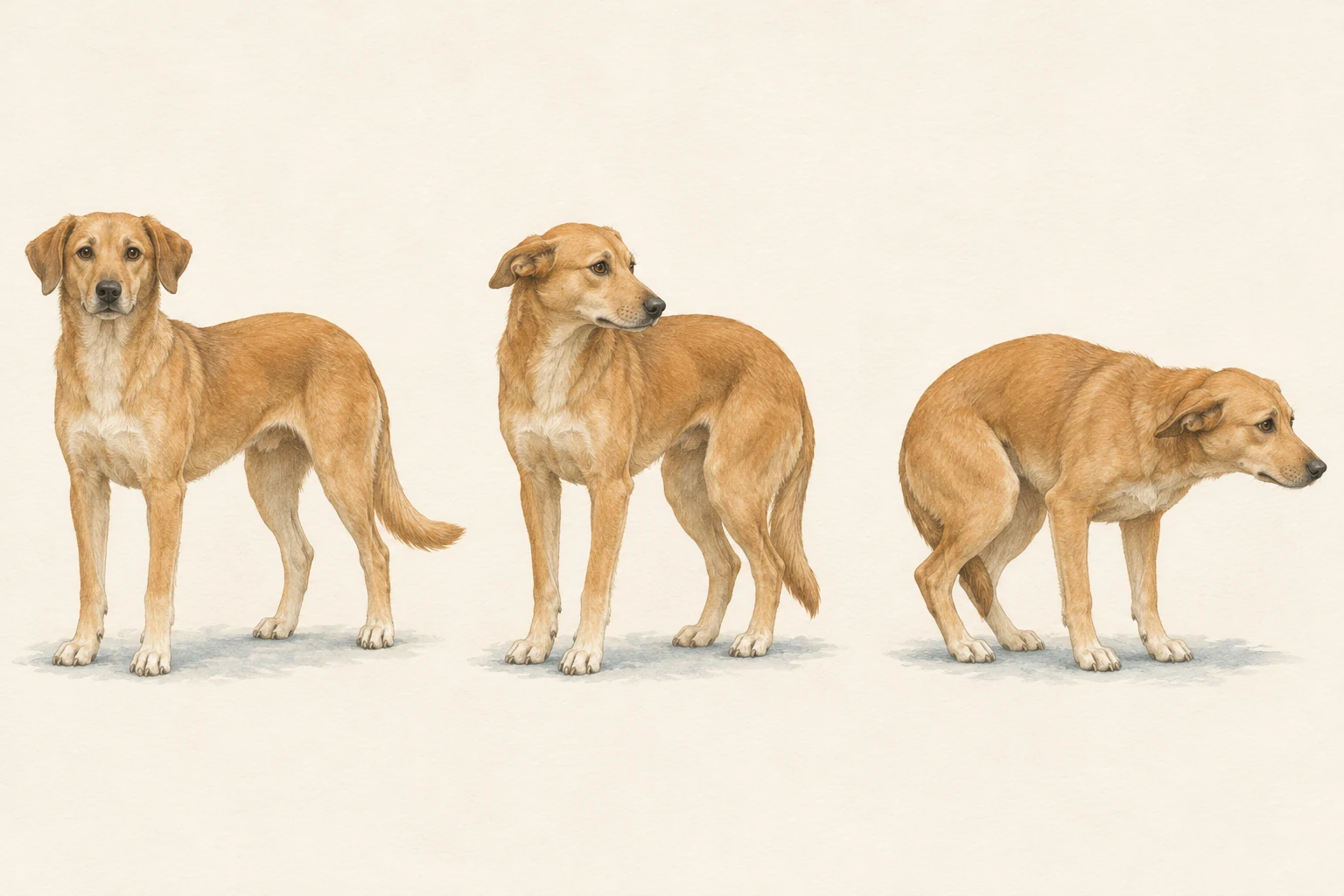
A dog who cannot settle may need a quieter environment, a different activity pattern or a health assessment. Continually adding harder games or longer exercise can miss the problem. Provide a comfortable resting area where people and other animals will not disturb them.
Dogs Trust’s guidance on restlessness explains that stress, discomfort and overtiredness can all interfere with rest. Sudden changes deserve veterinary advice.
Keep a simple note of activities the dog chose, those they left and how they behaved afterwards. Retain what appears enjoyable and adjust what causes difficulty. Persistent distress during absences needs its own assessment; see helping a dog with separation distress.
Start with one easy improvement today: a little more sniffing time, a manageable search or an enjoyable shared game. Watch the dog, allow a break and use what you learn to plan the next opportunity.
Follow the evidence
Sources & further reading
Article sources checked 10 November 2026.
Follow a source for its full context, and check current government guidance for rules that may change.
- RSPCA Australia: Why enrichment matterskb.rspca.org.au
- Dogs Trust: Enrichment activitiesdogstrust.org.uk
- VCA: Enrichment and foraging toysvcahospitals.com
- RSPCA Victoria: Enrichment ideasrspcavic.org
- PDSA: Exercise for dogspdsa.org.uk
- Cornell: Dental disease and home carevet.cornell.edu
- Guide Dogs: Enrichment ideas for dogsguidedogs.org.uk
- RSPCA NSW: Importance of dog enrichmentrspcansw.org.au
- Dogs Trust: Helping an overexcited dog settledogstrust.org.uk